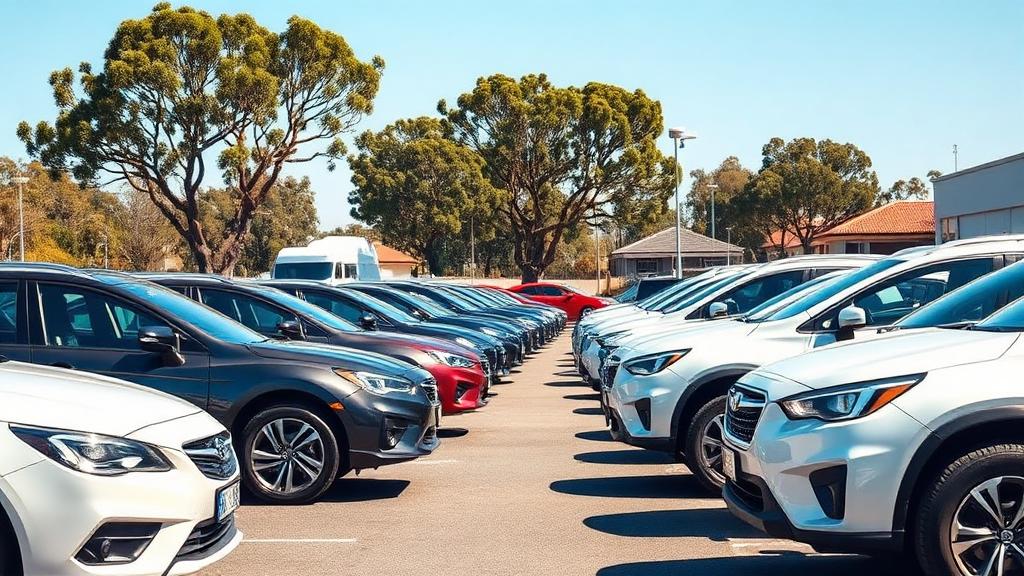
How to Finance a Used Car in Australia: Your Comprehensive Guide
Buying a used car can be a smart financial decision, offering excellent value for money and a wider range of choices than new vehicles. But how do you go about financing a used car in Australia? This guide will walk you through everything you need to know, from understanding your options to securing the best possible finance deal.
At Simple Loans, we understand that navigating the world of car finance can feel overwhelming. As the holder of Australian Credit Licence 509582, not a lender, we partner with over 50 Australian lenders to help you find suitable finance solutions tailored to your individual circumstances.
Key Takeaways
- Used Car Finance Options: Explore secured and unsecured loans, and personal loans.
- Eligibility: Understand factors like credit score, income, and employment stability.
- Comparison is Key: Don't settle for the first offer; compare rates and terms from multiple lenders.
- Broker Advantage: Simple Loans can connect you with a wide range of lenders, potentially saving you time and money.
- Be Prepared: Have your documents ready to streamline the application process.
Why Choose a Used Car?
The Australian automotive market offers a vast selection of used cars that can meet diverse needs and budgets. Opting for a used car often means:
- Lower Purchase Price: Used cars are generally more affordable than new ones.
- Less Depreciation: New cars lose a significant portion of their value in the first few years. Used cars have already undergone much of this depreciation.
- Wider Choice: You might be able to afford a higher-spec model or a more premium brand within your budget when buying used.
- Lower Insurance Costs: Insurance premiums are often lower for used vehicles.
Understanding Your Used Car Finance Options in Australia
When it comes to financing a used car in Australia, you typically have a few main options:
1. Secured Car Loans
This is the most common and often the most cost-effective way to finance a used car. With a secured car loan, the car itself acts as collateral for the loan. This reduces the risk for the lender, which can result in lower interest rates compared to unsecured options. If you default on the loan, the lender may repossess the vehicle.
2. Unsecured Personal Loans
An unsecured personal loan doesn't require any asset as collateral. While this offers more flexibility, it typically comes with higher interest rates because of the increased risk for the lender. These loans might be suitable if the used car you're buying is very old or doesn't meet the lender's criteria for a secured loan (e.g., too high mileage, too old).
3. Dealer Finance
Many car dealerships offer finance options directly. While convenient, it's crucial to compare these offers with those from other lenders. Dealership finance may sometimes have higher interest rates or less flexible terms than what you could find through a broker or direct lender.
4. Refinancing an Existing Loan
If you already have a car loan but believe you could get a better deal, you might consider refinancing. This involves taking out a new loan to pay off your existing one, ideally with a lower interest rate or more favourable terms. Eligibility criteria apply.
What Lenders Look For: Eligibility for a Used Car Loan
To give yourself the best chance of securing finance for a used car, it's helpful to understand what lenders typically assess:
Your Credit Score and History
Your credit score is a crucial factor. A good credit history demonstrates your ability to manage debt responsibly. Lenders will review your repayment history, existing debts, and any past defaults. If you have a less-than-perfect credit history, don't despair; some lenders specialise in bad credit car loans, though interest rates may be higher. Eligibility criteria apply.
Income and Employment Stability
Lenders want to ensure you have a stable income to comfortably make your loan repayments. They'll typically look at your employment status (full-time, part-time, casual), length of employment, and your overall income. Self-employed individuals may need to provide additional documentation.
Existing Debts and Expenses
Lenders will assess your debt-to-income ratio. If you have a lot of existing debt or high living expenses, it could impact your borrowing capacity. Responsible lending practices require lenders to ensure the loan is not unsuitable for your circumstances.
The Car Itself
For secured loans, the age, mileage, and condition of the used car can influence a lender's decision. Some lenders have restrictions on the maximum age or mileage of a vehicle they will finance. This is less of a concern for unsecured personal loans.
The Application Process: What to Expect
While the exact process may vary between lenders, here's a general overview of how to finance a used car in Australia:
- Research & Budget: Determine how much you can realistically afford to borrow and repay.
- Gather Documents: Prepare essential documents such as proof of identity (driver's licence), proof of income (payslips, bank statements), and details of your expenses.
- Compare Lenders: This is where Simple Loans can add significant value. Instead of applying to multiple lenders individually, we can help you compare options from our panel of over 50 lenders.
- Indicative Quote: We can help you get an indicative quote, allowing you to see potential rates and terms without impacting your credit score. This is not an offer of finance and is subject to full assessment.
- Formal Application: Once you find a suitable option, you'll complete a formal application with the chosen lender.
- Assessment: The lender will assess your application, including your credit history and financial situation.
- Approval & Funding: If approved, you'll sign the loan agreement, and funds will be disbursed, typically directly to the car seller.
Tips for Securing the Best Used Car Finance Deal
- Improve Your Credit Score: Pay bills on time, reduce existing debt, and check your credit report for errors.
- Save for a Deposit: A larger deposit can reduce the amount you need to borrow, potentially leading to lower repayments and interest costs.
- Shop Around: Don't just take the first offer. Compare interest rates, fees, and terms from various lenders. Remember, comparison rates may vary. Check with your lender.
- Understand the Total Cost: Look beyond the headline interest rate. Consider all fees and charges, and the total repayment amount over the loan term.
- Consider a Broker: As the holder of Australian Credit Licence 509582, Simple Loans works for you, not the lenders. We can leverage our relationships to find competitive options that you might not discover on your own. We can also assist with equipment finance for businesses.
Frequently Asked Questions (FAQs)
Q1: Can I get a used car loan with bad credit?
A: It may be possible to get a used car loan with bad credit, but it could come with higher interest rates and stricter eligibility criteria. Some lenders specialise in catering to applicants with less-than-perfect credit histories. Simple Loans works with a range of lenders, including those who may consider such applications. Eligibility criteria apply.
Q2: Is there an age limit for financing a used car in Australia?
A: Yes, many lenders have restrictions on the maximum age of a used car they will finance, especially for secured loans. This can vary, but generally, cars older than 10-12 years or with very high mileage may be harder to finance with a secured loan. Unsecured personal loans may offer more flexibility regarding vehicle age.
Q3: What's the difference between an indicative quote and a pre-approval?
A: An indicative quote (which we provide) gives you an estimate of potential loan terms and rates based on the information you provide, without a full credit check. It's not a formal offer of finance. The term "pre-approval" is not typically used for regulated consumer loans in Australia. Instead, you might receive conditional approval after a more thorough assessment, which is still subject to final verification and terms.
Q4: What documents do I need to apply for a used car loan?
A: Typically, you'll need proof of identity (e.g., Australian driver's licence, passport), proof of income (e.g., recent payslips, tax returns if self-employed), bank statements, and details of your current assets and liabilities. The specific requirements may vary between lenders.
Ready to Find Your Used Car Finance?
Financing a used car in Australia doesn't have to be complicated. By understanding your options, preparing your finances, and comparing lenders, you can secure a great deal. Simple Loans is here to simplify the process for you.
This is general information only and not financial advice. Consider your own circumstances before making decisions. Simple Loans is an holder of Australian Credit Licence 509582, not a lender. Fees and charges may apply. Eligibility criteria apply for any loan product. Comparison rates may vary. Check with your lender.
Ready to explore your used car finance options? Get a free, no-obligation quote today!
Disclaimer: This article is general information only and does not constitute financial advice. DPC Broker Pty Ltd trading as Simple Loans (ABN 13 613 195 387) is a credit representative, not a lender. All loan products are subject to eligibility criteria, terms, conditions, fees and charges. Comparison rates may vary. Consider your own financial circumstances before making decisions. Contact us for personalised guidance.