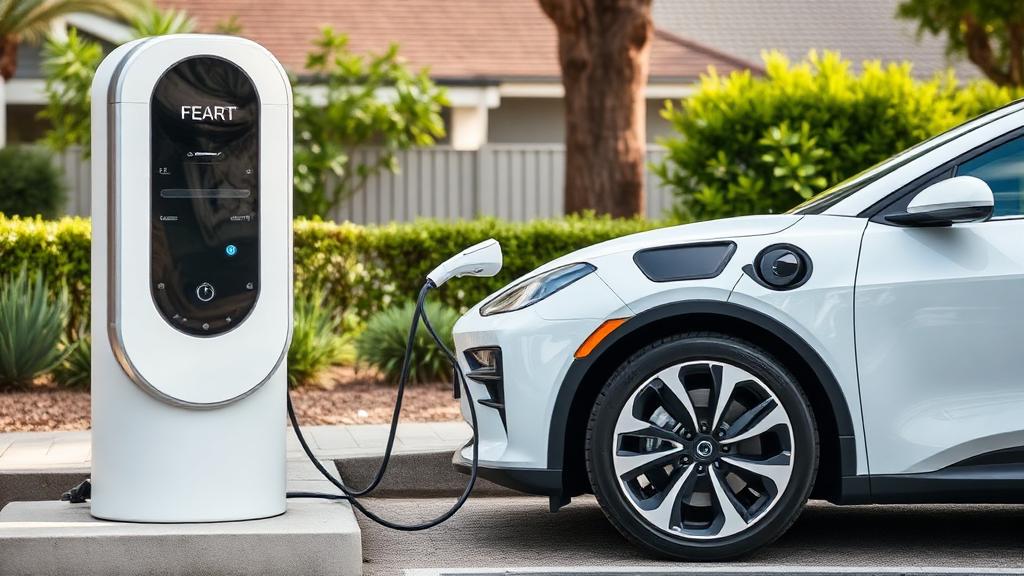
The Electric Vehicle Revolution in Australia
Electric vehicles are rapidly becoming mainstream in Australia. With government incentives, expanding charging infrastructure, and competitive financing options, there's never been a better time to consider an EV. This guide covers everything you need to know about financing your electric vehicle purchase.
EV-Specific Car Loans
Many Australian lenders now offer dedicated EV and green car loans with preferential rates. These loans typically offer:
- Discounted interest rates - 0.5-1% lower than standard car loans
- Higher loan amounts - Accounting for EVs' higher purchase prices
- Longer terms available - Up to 7 years to keep repayments manageable
- Flexible deposit options - Some lenders accept lower deposits for EVs
Australian State EV Incentives
State governments offer various incentives for EV purchases:
| State | Key Incentives | Potential Savings |
|---|---|---|
| NSW | Stamp duty exemption, $3,000 rebate | Up to $5,000+ |
| VIC | $3,000 rebate (income-tested) | $3,000 |
| QLD | $6,000 rebate, stamp duty discount | Up to $8,000 |
| SA | $3,000 rebate, registration discount | Up to $4,000 |
| WA | Registration concession | ~$200/year |
EV Running Cost Savings
When calculating affordability, factor in the dramatically lower running costs:
- Fuel savings - Electricity costs ~$3-5 per 100km vs $15-20 for petrol
- Servicing - No oil changes, fewer brake replacements, simpler mechanics
- Registration - Some states offer EV registration discounts
The average Australian driver saves $1,500-$2,500 per year on fuel and servicing with an EV compared to a petrol vehicle.
Battery Warranty and Resale Value
Key considerations when financing an EV:
- Battery warranty - Most manufacturers offer 8 years or 160,000km
- Battery degradation - Modern EVs retain 80-90% capacity after 10 years
- Resale value - Tesla and other premium EVs are holding value well
- Technology updates - Consider how quickly EV tech is advancing
Home Charging Setup Costs
Factor in the cost of a home charging setup:
- Standard outlet - Free but slow (8-12 hours for full charge)
- Level 2 charger - $1,500-$3,000 installed, charges in 4-6 hours
- Solar integration - Charge for free during daylight hours
Frequently Asked Questions
Can I finance a used EV?
Yes, most lenders will finance used EVs. Pay attention to battery health reports and remaining warranty when buying used.
Are EV loans available for all brands?
Most green car loans apply to any new EV (Tesla, BYD, Hyundai, etc.) and sometimes plug-in hybrids. Check specific lender requirements.
What if I live in an apartment without home charging?
Many apartment buildings are adding charging infrastructure. Public charging networks are expanding rapidly, and workplace charging is becoming common.
EV financing in Australia: the 2026 landscape
Electric vehicles represented 9.4% of new car sales in 2025, up from 3.8% in 2023. With Tesla, BYD, Polestar, MG, and Kia expanding their Australian lineups, lender appetite for EV finance has matured significantly. Most prime lenders now offer specific green loan products with discounts of 0.50% to 1.25% off standard car loan rates.
State by state EV incentives still active in 2026
| State | Stamp duty | Registration | Rebate / subsidy |
|---|---|---|---|
| ACT | Exempt for zero-emission | 20% discount 2 yrs | Interest-free loans up to $15,000 |
| NSW | Standard from 1 Jan 2024 | Standard | FBT exemption continues |
| VIC | Reduced rate | $100 discount | Subsidy program closed |
| QLD | Reduced for BEV under $100k | Standard | $6,000 rebate (income tested) |
| WA | Standard | Standard | $3,500 rebate while available |
| SA | Exempt up to $68,750 | 3 years free | Rebate scheme closed |
| TAS | 2-year exemption for new BEVs | Standard | Interest-free loans up to $10,000 |
The novated lease advantage
The Federal Government's Electric Car Discount removed Fringe Benefits Tax on eligible EVs below the Luxury Car Tax threshold for fuel-efficient vehicles, currently $91,387 for 2026. For PAYG employees, this typically saves $4,000 to $9,000 per year on a $60,000 EV compared to a post-tax consumer loan.
Green loan options for outright purchase
- Plenti GreenConnect from 6.49% p.a. for eligible EVs and home chargers
- Bank Australia Clean Energy Home Loan discount when EV is bundled
- Pepper Money EV Loan accommodates near-prime credit profiles
- Macquarie Personal Loan competitive for sub-$50k EVs
Charging infrastructure financing
Home chargers, typically $1,500 to $3,500 installed, can be bundled into most green car loan products. For businesses, depreciation on workplace chargers can be claimed under the instant asset write-off where applicable.
Battery degradation and resale
2025 data from the Electric Vehicle Council shows BEVs retain 87% of capacity at 160,000km on average, materially better than 2020 forecasts. Most lenders now price EV residuals comparably to petrol equivalents.
FAQs
Can I finance a used EV?
Yes. Most lenders accept used EVs up to 8 years at end of term. Battery state-of-health reports are increasingly requested for vehicles older than 5 years.
Are PHEVs still eligible for FBT exemption?
Plug-in hybrid eligibility for the Electric Car Discount ended 1 April 2025. Existing PHEV novated leases entered before that date remain exempt for their original term.
What credit score do I need for a green loan rate?
Most prime green loan products require an Equifax score of 622 or above (Experian 700+). Near-prime EV-specific products start at scores around 510.
Can a sole trader claim GST on an EV?
Yes via a chattel mortgage structure, capped at the LCT threshold input tax credit limit.